Page Menu
Indigestion can feel like a guest at a party who won't leave no matter what. You know the type: they stay too long, make you feel bad, and ruin the fun? If you've ever held your stomach after a big lunch and wondered why you got that second helping of lasagna, you're not the only one. There are good remedies for indigestion that can help you feel better and go back to enjoying life.
Understanding Indigestion: What’s Going On?

Let's start by talking about what indigestion is. That uncomfortable feeling of pain in your upper abdomen that makes it seem like an angry gremlin has moved into your stomach. It could cause bloating, gas, or even heartburn, which are all things we don't want to deal with. Overeating, eating too soon (which I'm guilty of), or even worry can all cause indigestion. It's astonishing how our bodies react when we don't take care of them.
Please Note: This post may contain affiliate links. If you click one of them, we may receive a commission at no extra cost to you. As an Amazon Associate, I earn from qualifying purchases.

It's interesting that our diets have a big impact on this. You might be thinking, “What could go wrong with my favorite spicy taco?” Spicy meals may be both tasty and bad for you, that's for sure! They make our mouths water, but they may also make our stomachs feel like they're on fire, something we didn't sign up for. Capsaicin, which is found in hot peppers, can add flavor to your food, but too much of it might give you heartburn or indigestion. So, as you enjoy that spicy salsa, keep in mind that moderation is vital!
Let's speak about meals that are high in fat now. Wow, those taste really good! Who doesn't like a burger with a lot of juice or spaghetti with a lot of cream? But here's the problem: these rich foods can make your digestive system work too hard. Meals with a lot of fat take longer to break down, which makes digestion slower. Because of this, you could feel bloated and uncomfortable afterward, like you ate a bowling ball instead of dinner! It's almost as if those tasty nibbles came with an invisible “regret” tag.
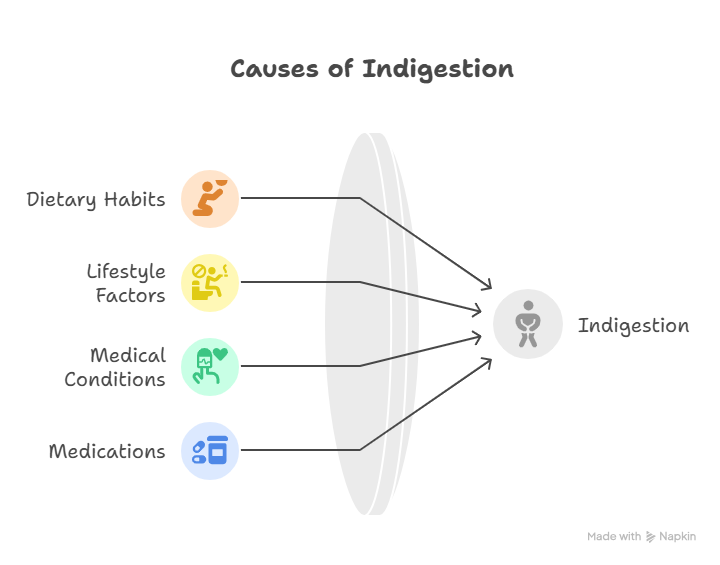
And then there are those fizzy drinks that appear fine at first but then turn into a bubbling mess in your stomach! On a hot day, a cool Coke feels good until the bubbles start to mess with your stomach. Those bubbles can get bigger in your stomach, which can make you feel gassy and uncomfortable. Really, who would have thought that something so nice could cause so much trouble? If you have indigestion a lot, you might want to switch out the fizzy drinks for something easier on your stomach, such herbal tea or water with fresh fruit in it.
It's important to know what causes your indigestion, just like it's important to know which folks bring drama to the party. Some folks may find that dairy items make their stomachs feel bad (hello lactose intolerance!), while others may find that gluten isn't their greatest friend either. Keeping a record of what you eat and how it makes you feel will help you find the foods that are causing problems in your diet. Think of it like writing in your own food diary, where each entry tells you something new about what works for you and what doesn't.
To sum up, paying attention to what we eat is really important for managing indigestion. We may make better choices at mealtime and enjoy our favorite foods without worrying about what will happen next if we know which elements are most likely to upset our stomachs.
Home Remedies That Work Like Magic
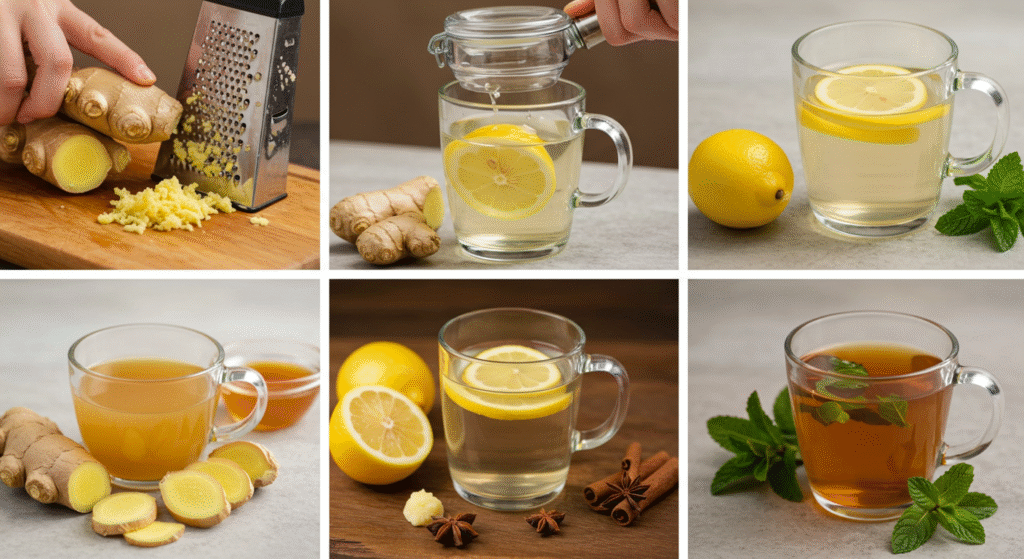

When I say home remedies, I mean those little tricks you can find in your kitchen that could save the day. Drinking warm water with lemon juice is a common home treatment. This drink not only tastes good, but it also helps with digestion by making bile. So the next time you feel that familiar rumble in your stomach after eating, instead of going straight for the antacids, try some lemon-flavored bliss.
Ginger tea is another great choice. Ginger is so great that it should probably wear a superhero cape. Cut up some fresh ginger root and let it sit in boiling water for around 10 minutes. The heat and ginger's natural anti-inflammatory effects will help your upset stomach feel better faster than you can say “pass the breadsticks!”
And don't forget about tea with peppermint! This lovely herbal tea is believed to relax the muscles in the digestive tract and alleviate pain. It also smells great! Who doesn't appreciate the smell of fresh air? Every time you make a cup, it's like a tiny spa for your senses. Think about how nice it would be to cozy up on the couch with a warm mug of this fragrant drink after supper. So happy!
Drinking peppermint tea after meals may help keep those annoying symptoms away and make you feel better. Menthol is a natural muscle relaxant that might be very helpful if you're feeling bloated or gassy. When your digestive muscles are relaxed, food flows through your body more easily. This takes away the uncomfortable pressure that sometimes seems like a balloon about to pop. Next time you want to take an antacid, think about switching it out for a cup of peppermint tea instead!
It's interesting that brewing peppermint tea is also very easy! You don't have to be a great cook to make this cozy drink. You may either steep some fresh mint leaves in hot water for around five minutes or get a teabag from your store. We can all agree that it's amazing to watch those leaves spin in hot water, letting out their bright green hue and refreshing aroma. If you want to be fancy, add some honey. Let's be honest, everything tastes better with honey!
Not only is peppermint tea good for your digestion, but it also has a number of additional health benefits. For example, it can aid with headaches and make your mind clearer. If you've ever had one of those days when your brain seems hazy (you know what I mean), drinking some peppermint tea might help clear things up, both in your mind and in your body. It doesn't have any caffeine in it, so you can drink it any time of day without worrying about not being able to sleep.
In short, drinking peppermint tea after meals could be a fun approach to naturally ease indigestion while also treating yourself. This herbal tea is great for your stomach and tastes great, so everyone should have some in their kitchen. Trust me, your stomach will thank you!
Over-the-Counter Solutions: When All Else Fails
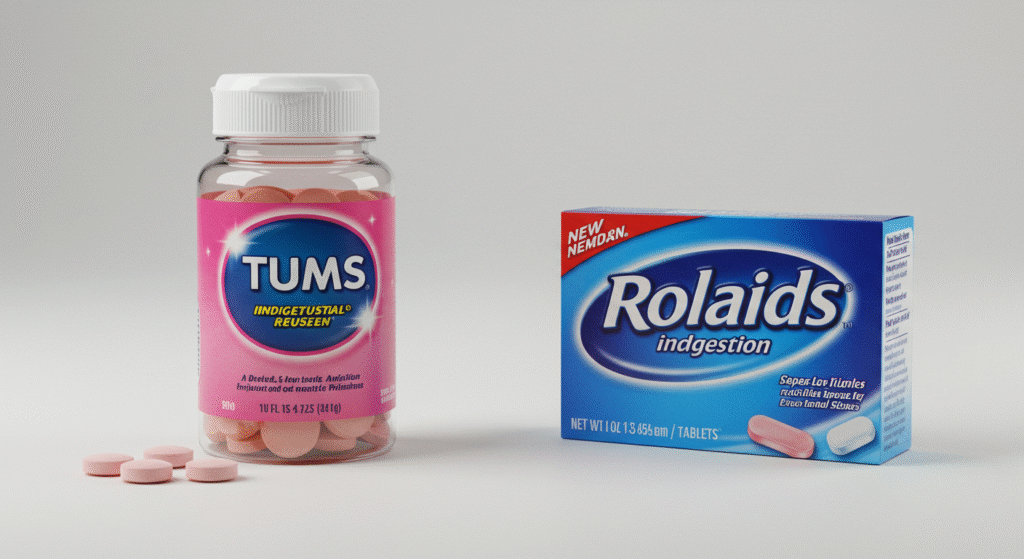


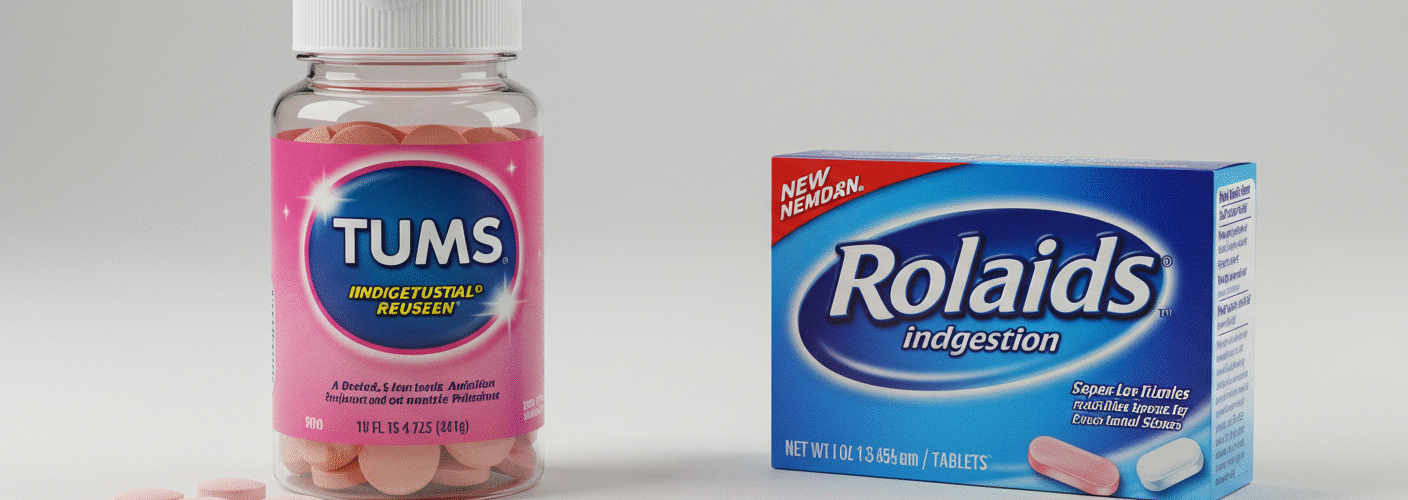
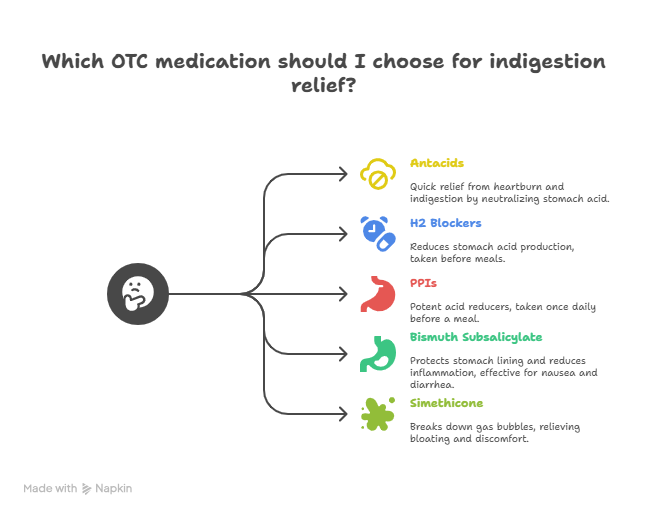
When indigestion hits hard and quick, home remedies may not be enough. That's when over-the-counter medicines can help! Antacids, like Tums or Rolaids, are often the first thing people try when they have heartburn or acid problems. They quickly neutralize stomach acid so you can feel better right away.
Simethicone-based treatments like Gas-X can help with bloating and gas pain by breaking up gas bubbles that are stuck in your gut. It's like popping bubble wrap for your insides! You don't need a prescription for these tiny pills, and they usually work quickly and without any trouble.
But—and there's always a “but”—not every medicine works the same for everyone. Isn't that how things work? It's like looking for the perfect pair of shoes; what fits one person perfectly could pinch another's toes in all the wrong places. Some people may feel sleepy after taking some medicines, as if they had just run a marathon in slow motion. Others, on the other hand, could take an antihistamine and feel completely up and ready to tackle their to-do list or binge-watch their favorite show without missing a beat.
This inconsistency can be really bothersome, especially when you're trying to get rid of those annoying gastrointestinal sensations quickly. You know how it goes: you take that over-the-counter magic medication because your friend swears by it, but then you find out that it makes you tired while your friend is bouncing off the walls. I mean, who wants to deal with being tired when all you want to do is eat your supper in peace?
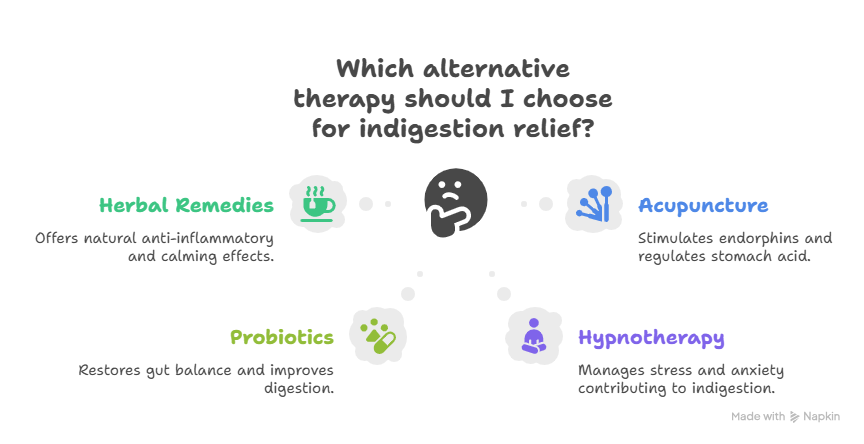
It's always a good idea to talk to a pharmacist if you're not sure which product is ideal for you. These professionals really do know a lot about medications and can help you choose the ones that work best for your needs and lifestyle. They can talk to you about possible side effects and suggest other options if needed, including having your own health coach at the pharmacy counter! And let's be honest: it's better than playing Russian roulette with random drug options.
Don't be afraid to ask questions when you go to your local drugstore. Are there some elements in some products that could make you feel bad? Should you take them before or after meals to get the most out of them? The more you know, the better choices you'll be able to make about what you put in your body.
It might also be good to keep track of how different prescriptions make you feel, along with talking to pharmacists. You might write down your thoughts in a small notebook or use an app on your phone. Do what works best for you! This way, the next time you have to choose between a lot of options at the shop (and let's be honest, there are generally a lot), you'll have some personal experience to help you decide.
So keep this in mind: finding the right treatments for indigestion doesn't have to be hard, even if it means trying a few things and maybe even taking a few unexpected naps. You'll soon find out what works best for you with the correct knowledge and help from healthcare specialists.
Lifestyle Changes That Make a Difference

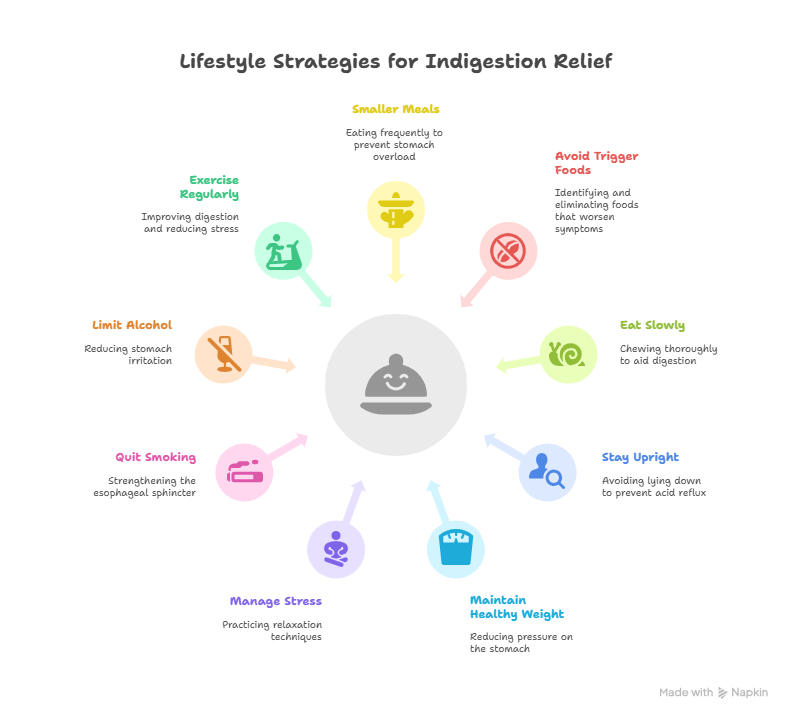
Let's be honest about lifestyle changes now, because these small changes can have a big effect on how often we have trouble with indigestion. First of all, you need to calm down when you eat. You can't just gulp down food like it's going to disappear forever! When we take smaller chunks and chew our food well, our bodies have time to absorb it effectively.
Also, keeping track of which meals make our symptoms worse will help us make better decisions in the future. Maybe the spicy chili isn't worth the pain that comes after, or maybe dairy doesn't agree with us anymore? We can make our digestion better by slowly and carefully cutting out foods that could be causing problems.
Don't forget how important it is to stay hydrated! Water is really the unsung hero of our bodies. It's not simply a drink that makes you feel better; it's also incredibly important for keeping our digestive systems working smoothly. Think of your intestines as a busy highway. If they don't get enough water, that highway may get extremely crowded, which can cause all sorts of digestive problems. So, fill up that water bottle and drink it!
Drinking enough water helps your body break down food so it can use the nutrients it gets. When you consume something tasty, like that extra slice of pizza you promised yourself you wouldn't eat, your body needs enough fluids to help it digest it properly. Water is like a reliable partner in this process, making sure that everything goes smoothly and doesn't get trapped or hurt. Plus, let's be honest: no one likes feeling full after a meal because their stomach is having a hard time keeping up.
It's interesting that a lot of individuals forget to drink enough water during the day. We get busy with work, hanging out with friends, or binge-watching our favorite show and forget to drink for hours! Having a water bottle that you can use over and over again can make a big difference. I like to think of mine as my hydration friend because it always reminds me to drink water. If you're really serious about staying hydrated, you could even set reminders on your phone. Who doesn't appreciate a little help from technology now and then?
If you want to add taste to your water, consider infusing it with fruits or herbs. Adding some lemon or cucumber slices to your water might make it feel less like a chore and more like a treat. Mint leaves are very great, and they help with digestion too! You don't have to be bored while staying hydrated; you can make it more fun and yet help your stomach.
Now, let's speak about how much water you really need. The saying “eight glasses a day” is a common piece of advice, but everyone's demands are different depending on things like how active they are and where they live. If it's hot outdoors and you're working out or spending time outside, you probably need more than usual to stay hydrated. Your body usually understands what it's talking about when it comes to thirst, so pay attention to it.
In short, don't forget how important it is to drink a lot of water every day! For our overall health and comfort, it's important that things go smoothly through our digestive tracts. So take that bottle and let yourself drink as much as you want. You'll feel better both physically and mentally! Staying hydrated can be one of the easiest and most effective ways to avoid dyspepsia, after all!
When To Seek Professional Help
Most of the time, you can deal with indigestion at home or with over-the-counter drugs. However, there are specific times when you need to see a doctor. It's important to see a doctor if your symptoms don't go away after trying different treatments or get worse over time (such extreme pain or unexplained weight loss).
There may be underlying illnesses, such gastritis or ulcers, that are making your problems worse. You need to see a doctor who can make a diagnosis and create a treatment plan particularly for you. It's important to pay attention to our body; ignoring pain that doesn't go away doesn't usually lead to anything positive!
Finally, and trust me when I say this, getting over indigestion doesn't have to be hard! We can take back control of our bellies once more with effective therapies that range from basic home remedies to changes in our daily lives (and maybe even some medical help along the way).
Suggested Resources
Natural Remedies for Indigestion
https://www.healthline.com/nutrition/natural-remedies-indigestion
Understanding Indigestion Symptoms
https://www.mayoclinic.org/diseases-conditions/indigestion/symptoms-causes/syc-20315673
Diet Tips for Reducing Indigestion
https://www.webmd.com/digestive-disorders/features/indigestion-diet-tips

Kevin Collier is a seasoned health writer at Otchut.com, specializing in over-the-counter medicines, common medical ailments, and general health topics. With a background in healthcare and a passion for making medical information accessible, Kevin aims to empower readers with knowledge to make informed health decisions. When he's not writing, he enjoys researching the latest in health trends and advocating for wellness in his community.